
01 Services
The owner's advocate, at every phase
School districts hire architects to design and construction managers to build. We are the third seat at the table, the one that works only for you. School programs are not one of our service lines; they are the only one. One family firm, a principal and two partners, covering the program from the first planning meeting to the last reconciled dollar.
01.1 — Phase 1
Pre-Ballot Reality Check & Planning
The cheapest place to fix a bond program is before it exists. We help the district walk into its election with a scope the community believes and a budget that survives bidding.
- Facility priorities and an independent budget reality-check
- Delivery-method options framed for the board
- Factual community information support ahead of the vote
- Funded from the general fund, never contingent on the election outcome
01.2 — Phase 2
Delivery Method Strategy & RFP Development
The two decisions that set the tone for the whole program: how it's delivered and who delivers it. Severable by design: a district that already has its construction team skips it, and a district that only needs this can engage it standalone.
- Delivery-method strategy: construction manager, general contract, or direct trades
- Architect and construction-manager RFPs written, issued, and run
- Procurement roadmap aligned to Michigan public bidding requirements
- Scored evaluations and a board recommendation you can defend in public
01.3 — Phase 3
Owner's Representation
Through construction, we are your single point of coordination across the administration, architect, engineers, construction manager, and contractors, with weekly written reports and updates to the board.
- Design-phase input on materials and methodology, with independent review of estimates
- Line-item budget tracking by account; contingency and allowance logs; second estimates on complex packages
- Job-site inspections against contract documents; milestone tracking and conflict identification
- Pay-application review: waivers, sworn statements, insurance certificates, retainage
- Change-order review, tracking, and issue resolution
- Punch-list walk-throughs; as-builts, O&M manuals, and releases confirmed before final payment
01.4 — Program controls
Controls & board-ready reporting
Costs are tracked line by line against the district's own account structure, not in a parallel system, so our reporting reconciles to your books at any moment without translation. Every account carries original budget, committed value, approved and pending changes, paid to date, and balance to complete.
Contingency and allowances live in a dedicated log showing what was drawn, when, why, and what remains. Nothing gets absorbed silently into line items. The board receives a monthly cost report and a running budget-to-complete projection; at closeout we reconcile the full program against the general ledger and issue a final accounting.
On change orders, cause is established before cost is negotiated: design error, unforeseen condition, owner request, or contractor means and methods. Which category a change falls into determines who pays.
These controls can also be engaged on their own, remotely, in any state.See program financial controls.
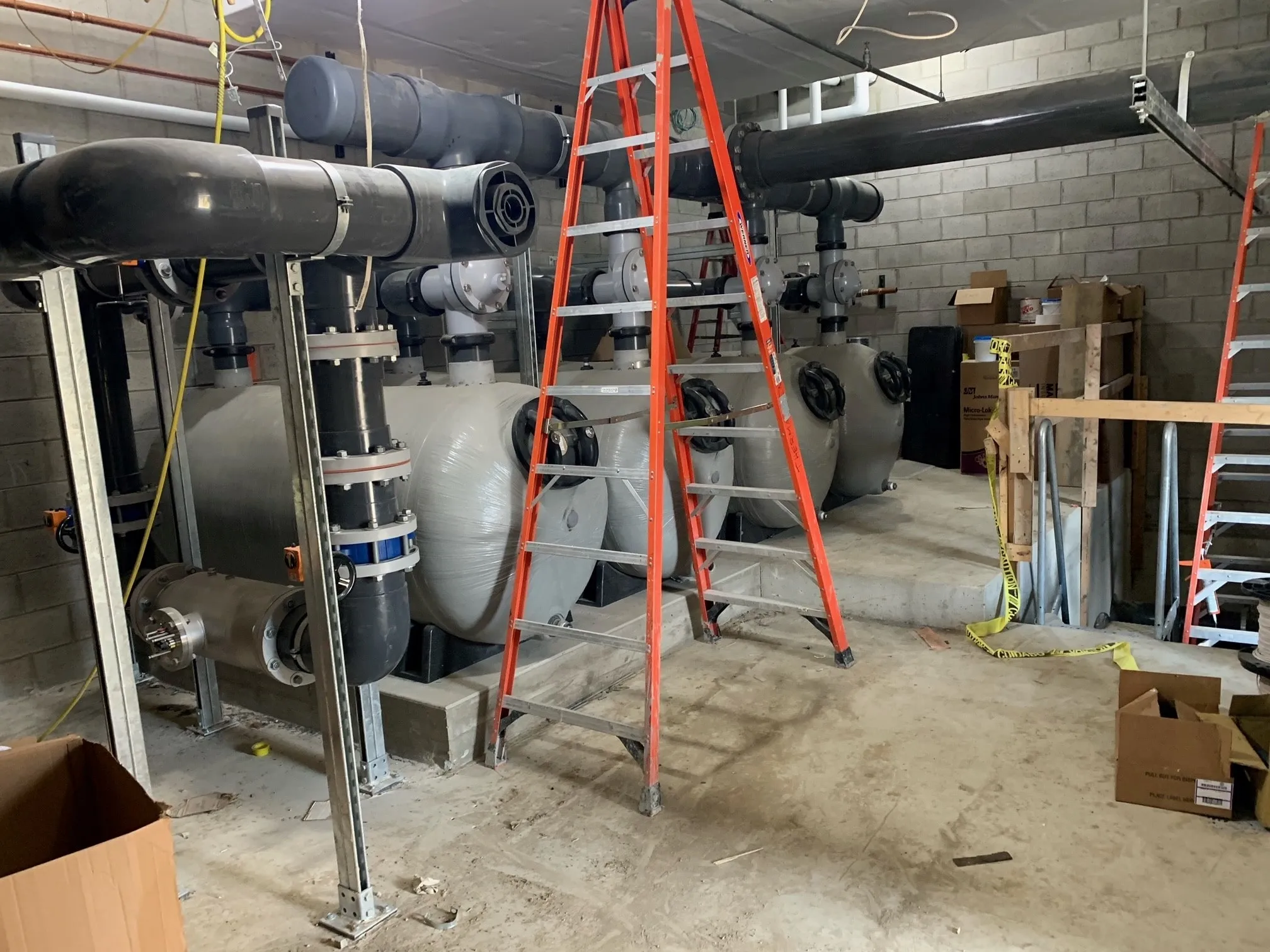
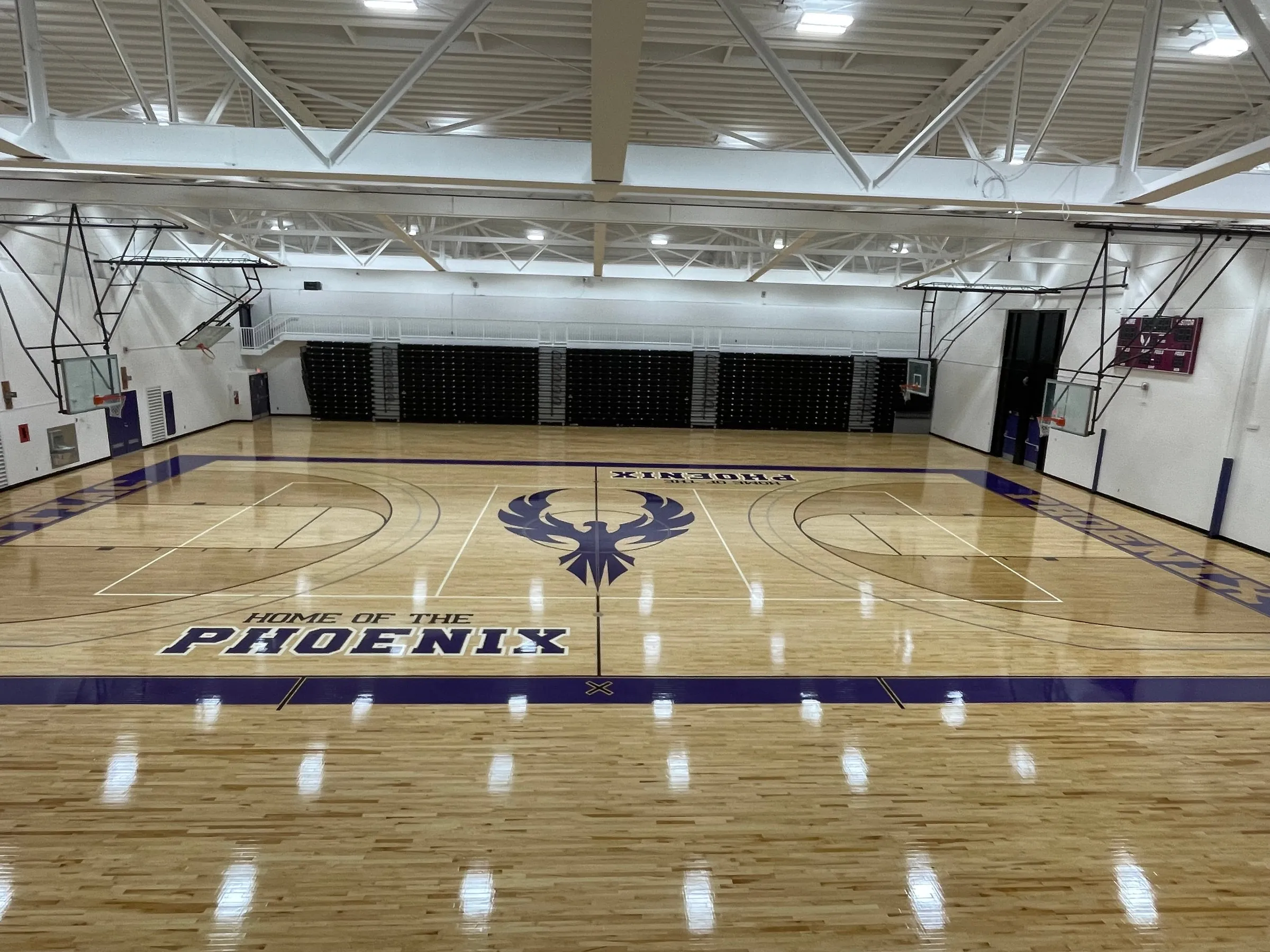 Photo: School District of the City of Pontiac
01.5 Engagement timeline
How a program moves
- 1
Pre-ballot planning
Facility priorities, independent budget reality-check, delivery-method options, 6 to 13 months before your election. Phase 1.
- 2
Team & delivery method
After a successful election: delivery-method strategy, architect and CM RFPs, scored evaluations, board recommendation. Phase 2.
- 3
Program delivery
Design review, bidding, construction oversight, and monthly board reporting across a program that typically runs 48 months. Phase 3.
- 4
Closeout & reconciliation
Punch lists enforced, closeout documents verified, and the full program reconciled line by line against your general ledger.
Every school program we have delivered was built in occupied buildings, around people who could not be relocated and schedules that could not slip. Phasing occupied facilities while keeping them fully operational is the normal condition of our work, not a special case.
Talk through your bond program
A 30-minute conversation with our principal and partners: where your program stands and what an owner’s representative would do for it.